
Repeat issues
The same meeting room, the same washroom, the same complaint — reported again
because nothing changed the underlying routine.
Commercial cleaning — London, Sussex and Surrey
Facilities managers are not buying cleaning hours. They are buying control. Acies runs every site from a written plan, a trained team and routine checks, so standards hold without you having to inspect them.
The problem
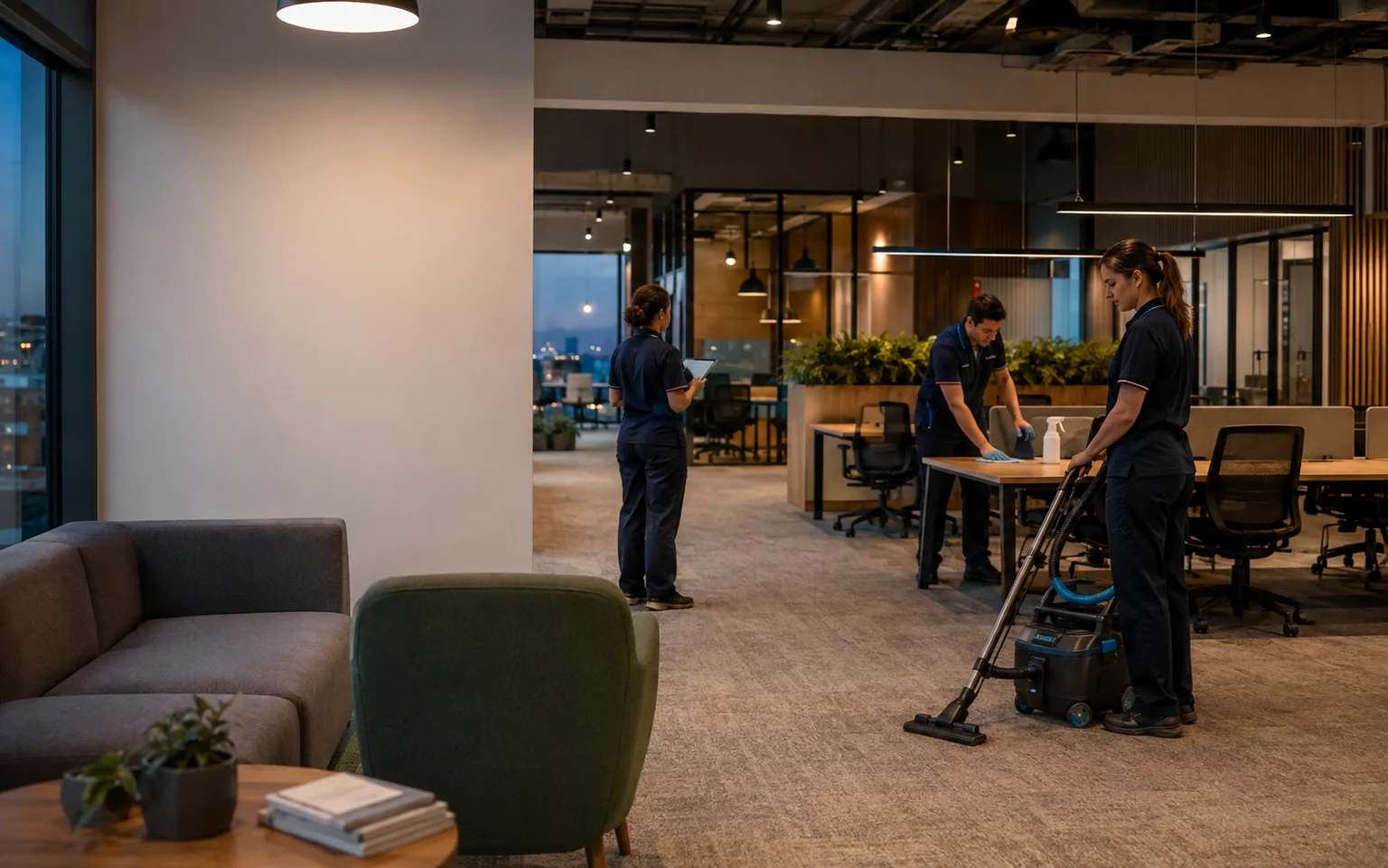
Most facilities managers do not describe a cleaning problem. They describe a management problem: the same issues raised twice, standards that drift between visits, and no clear answer about who owns a fix. The cleaning is a symptom. The missing system is the cause.
How Acies works
The same six stages run on every Acies site, whether it is one floor or a portfolio. Each one produces something you can look at.
We walk your site with you and record the pressure points — the areas that get complained about, the times they get busy and the things previous contractors missed.
Every area gets a task list and a frequency. It defines what good looks like in writing, so standards are not a matter of opinion.
Cleaners work to the Acies Speed Cleaning Method — a fixed order of work covering safety, sequence and the right tool for each surface.
Routine checks compare the site against its own plan, so a slipping standard is caught by us rather than reported by you.
You get one named contact and a visible route from raising an issue to seeing it closed.
Reporting covers what was checked, what was corrected and anything that needs a decision from you.
What makes Acies different
The Acies Method
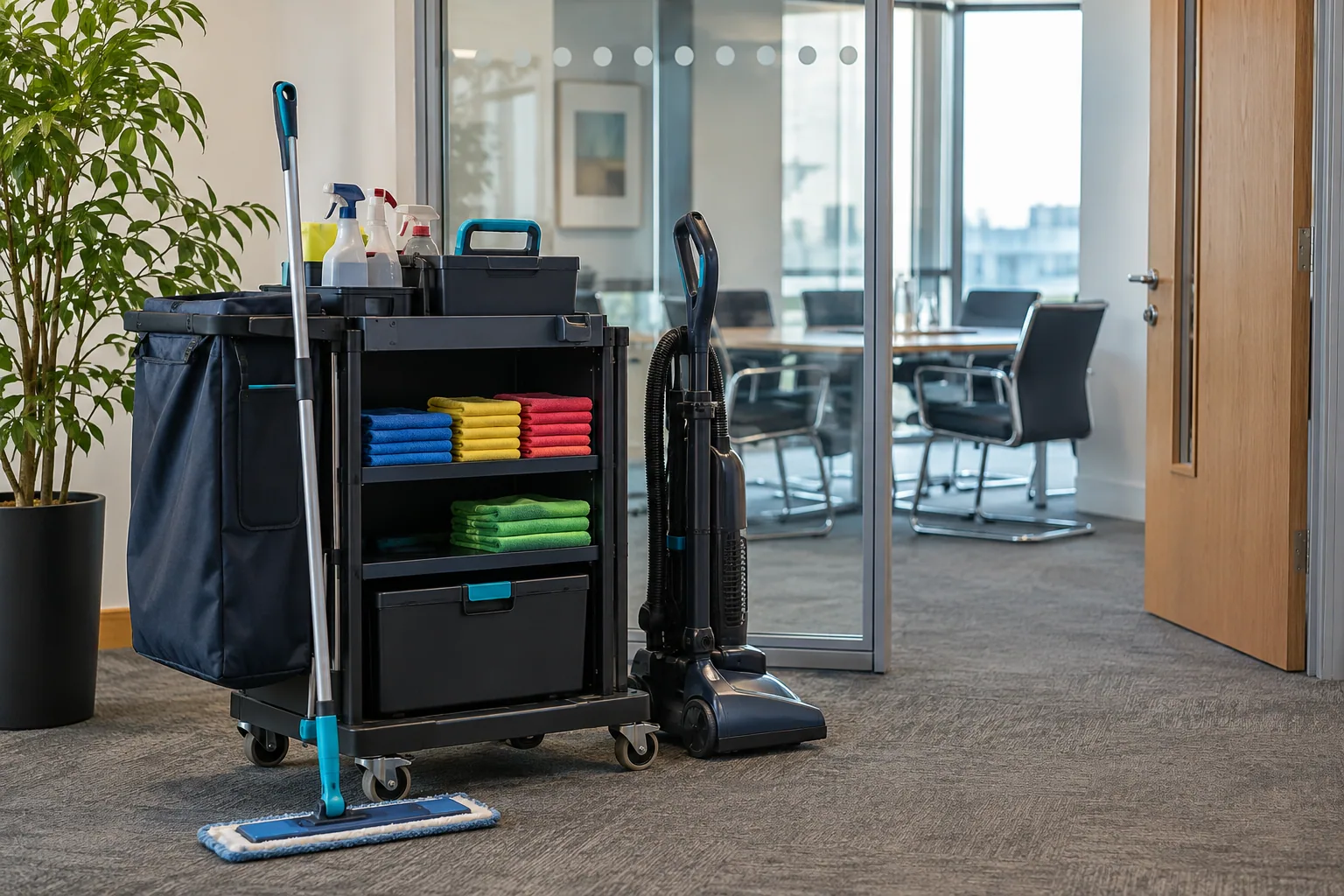
The Acies Speed Cleaning Method gives every cleaner the same order of work. It is what makes one team's output look like another's.
Proof
Acies will publish named client stories, measured results and references only where the client has approved them and the figures can be evidenced. That work is under way. Until it is finished, this page makes no claim it cannot support.
If you would like to speak to an existing Acies client as part of your assessment, ask during your site survey and we will arrange an introduction where the client agrees.
A site survey takes about an hour. We walk the building with you, record the pressure points and give you a written plan with task frequencies — whether or not you go on to work with Acies.